
Meta Description: Can’t choose rubber or foam bike handle grips? Compare weight, grip, durability & riding use cases for MTB, commute and road bikes.
Intro
Handle grips are the direct connection between you and your bike, yet most riders pick them without comparing materials. Rubber and EVA foam are the two most popular grip types, with huge gaps in comfort, safety and service life.
This quick comparison breaks down their strengths and weaknesses to help you grab the right grips for your riding habits.
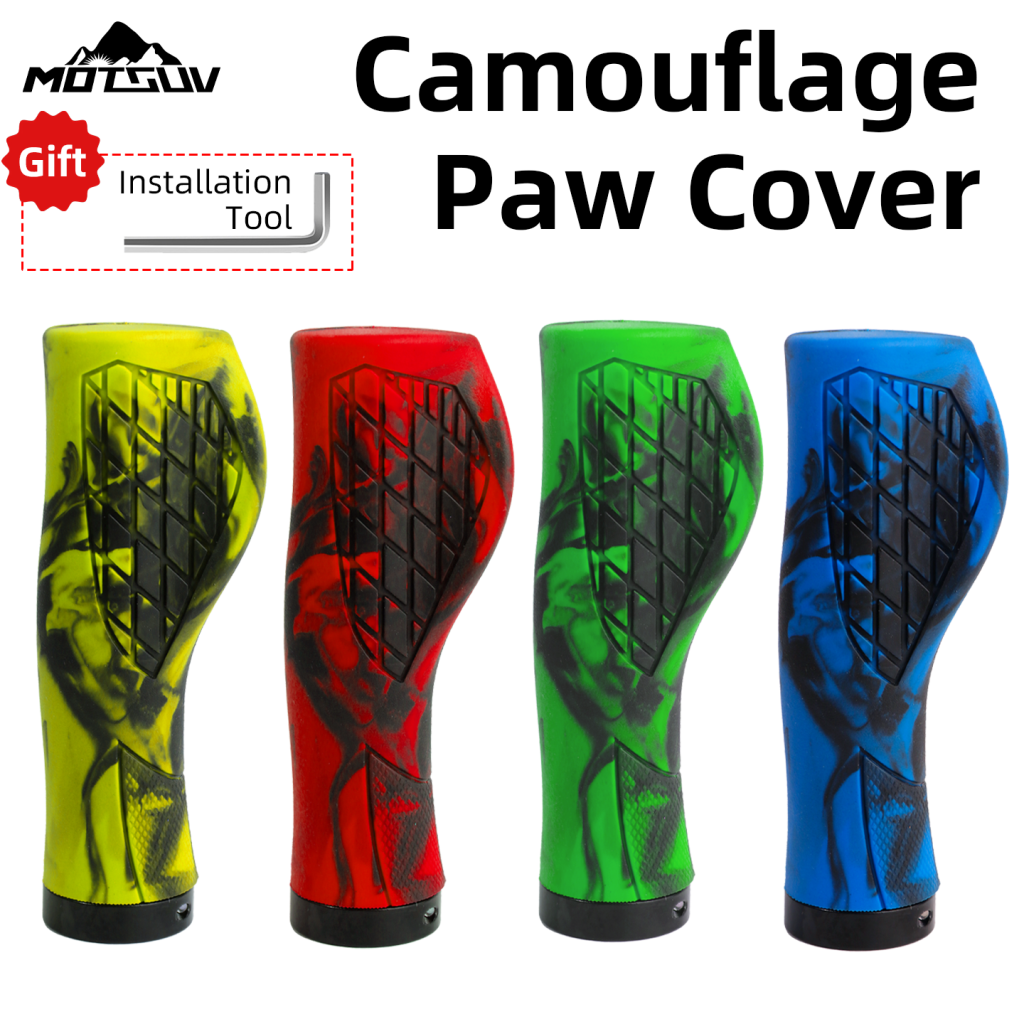
Rubber VS Foam Bike Grips Quick Comparison
| Factor | Rubber Grips | Foam EVA Grips |
|---|---|---|
| Weight | Heavy (70–85g/pair) | Ultra-light (20–30g/pair) |
| Shock Absorption | Medium | Excellent for long smooth rides |
| Wet Traction | Strong anti-slip, safe in rain/mud | Slippery when sweaty or wet |
| Lifespan | 1–3 years, wear-resistant | 6–12 months, easy to flatten |
| Fixation | Lock-on design, no twisting | Slip-on only, easy to rotate |
| Price | Mid-range, cost-effective long term | Cheap budget option |
Rubber Bike Grips: All-Weather Tough Choice
Pros
- Reliable anti-slip texture works in rain, mud and sweaty summer rides. No slip during emergency braking, great for off-road safety.
- High abrasion resistance, won’t crack or deform after long-term use. Most come with lock-on rings to stop grips rotating on handlebars.
- Simple to clean; mud and grease wipe off easily, no odor buildup.
- Fit all bikes: MTB, e-bikes, city commuter bikes and BMX for year-round riding.
Cons
Heavier than foam; less cushioning, hands sweat more without gloves on hot days.
Best for:
Mountain bikers, daily all-weather commuters, riders who hate frequent part replacement, rainy/muddy area cyclists.
Foam EVA Bike Grips: Lightweight Comfort Pick
Pros
- Super lightweight to cut cockpit weight, ideal for road bikes and folding bikes.
- Thick foam greatly reduces road vibration to ease wrist numbness on long smooth rides.
- Porous material dissipates heat, keeps hands cooler; slip-on design for fast installation without tools.
- Low cost, multiple colors for custom bike styling.
Cons
Foam absorbs sweat and water, turning extremely slippery when damp, which brings safety risks. It compresses and crumbles after months of squeezing, fades fast under sunlight, and traps sweat odor that’s hard to remove. No lock rings, easy to twist mid-ride.
Best for:
Short-distance casual road riders, dry pavement only, weight-chasing cyclists, budget hobby riders.
Hybrid Foam-Cored Rubber Grips (Balanced Option)
If you want both foam softness and rubber safety, hybrid grips are a perfect middle choice. Soft foam inner layer absorbs vibration, textured rubber outer shell stays non-slip in all weather, plus lock-on rings to avoid rotation. It lasts around 1.5–2 years, suitable for gravel bikes and daily commuting.
Quick Decision Checklist
Choose Rubber Grips if:
- You ride MTB, e-bike or cycle in rainy/muddy conditions
- You need durable grips that won’t wear out quickly
- Stable, safe control is your top priority
Choose Foam Grips if:
- You only ride dry smooth roads for short leisure trips
- Reducing bike weight is your main demand
- You want cheap, colorful replaceable grips
Conclusion
There’s no universal better option between rubber and foam bike grips. Rubber is the safe, durable all-rounder for all-weather and off-road cycling. Foam delivers featherlight cushion only for dry, short-distance rides.
Match grips to your terrain and daily weather, and you’ll get a much more comfortable and secure riding experience.
Internal Links
Shop Lock-On Anti-Slip Rubber Bike Grips
Shop Lightweight EVA Foam Bike Grips
Guide: How to Install Bike Grips Quickly