
Core Trend
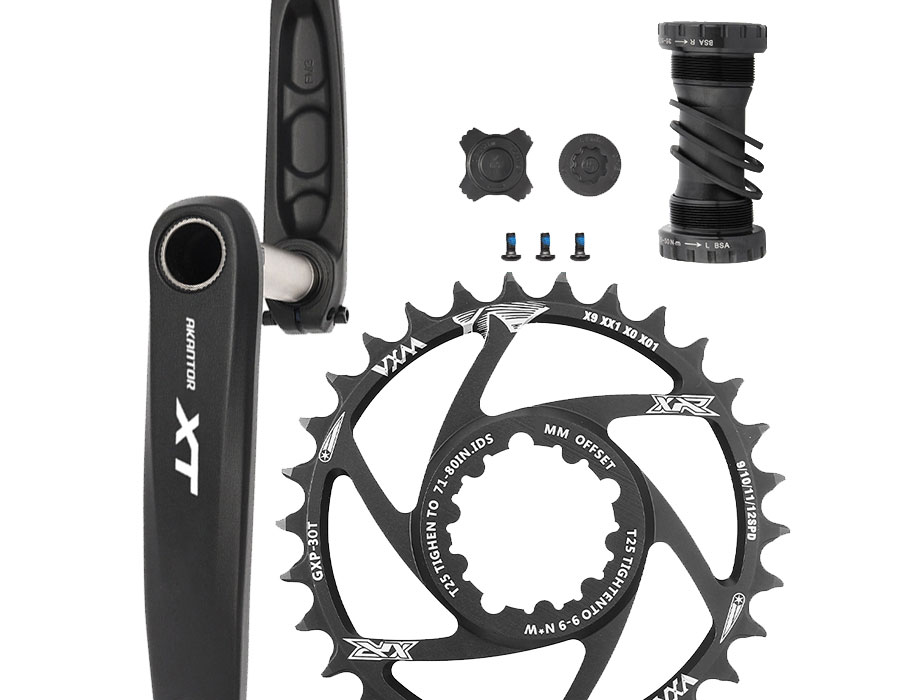
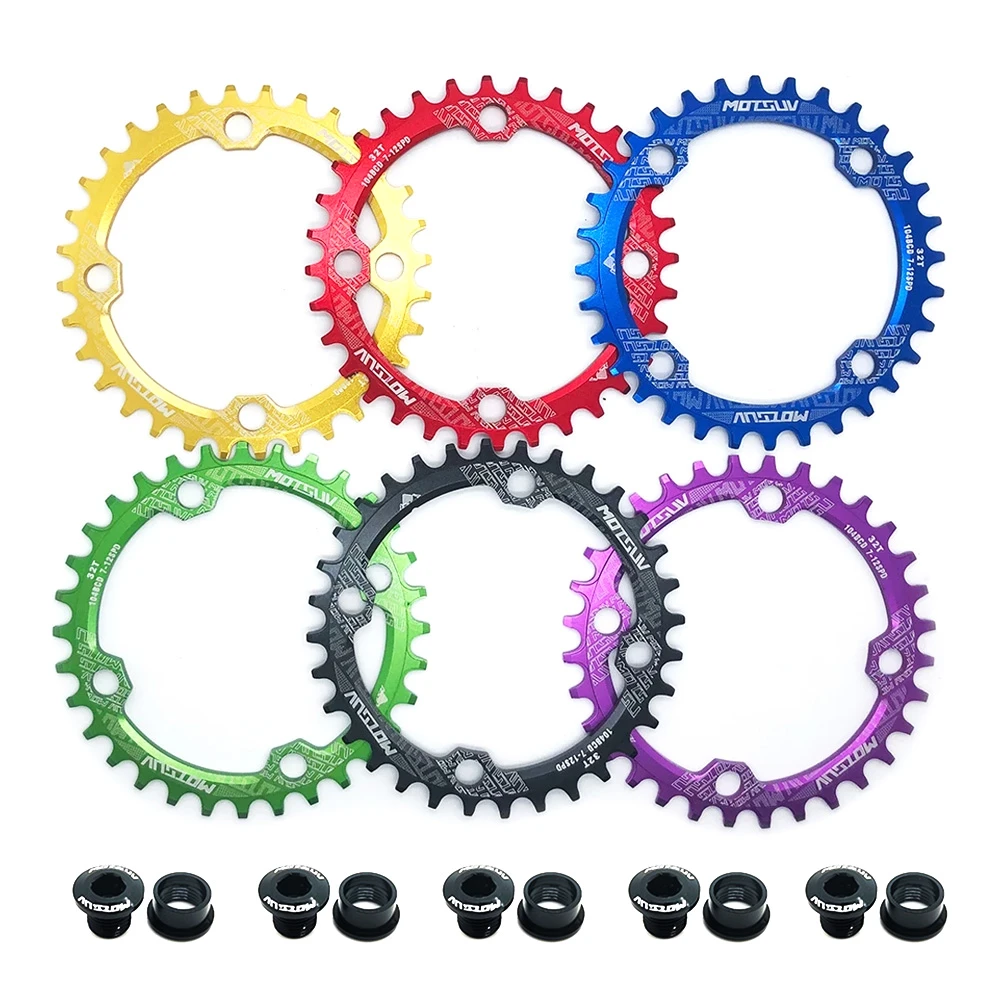
Traditional mountain bikes were mostly equipped with 3x triple chainrings, then 2x double chainrings became popular. Nowadays, nearly all modern mountain bikes, flat-bar road bikes and gravel bikes adopt 1x single chainring system as standard configuration.
Main reasons for phasing out double and triple chainrings
1. Simplified structure & lower failure rate
- Double/triple chainset requires front derailleur, left shifter, front shift cable and guide parts. These components are easy to cause chain rub, chain drop, cable aging and frequent adjustment troubles.
- 1x system removes the whole front shifting structure, only retains rear derailleur. It has far fewer parts, almost zero daily maintenance and much lower malfunction rate.
2. Significant weight reduction
Removing front derailleur, left shift lever, extra chainrings and shift housing can cut total bike weight by 300~600 grams, bringing lighter riding experience.
3. Easier shifting operation
- Triple chainset has complicated gear combinations of left 3 gears plus rear multiple gears, confusing most riders and easily causing wrong shifting which wears drivetrain quickly.
- 1x design cancels left-hand shifting operation. Riders only operate the right shifter, which is intuitive and friendly for beginners.
4. Straighter chain line & higher transmission efficiency
When shifting between inner and outer chainrings on double/triple cranks, the chain will be severely skewed. It leads to extra friction, pedaling resistance, loud noise and fast component wear.
A single chainring keeps the chain nearly straight all the time, delivering smoother pedaling, quieter operation and longer service life of drivetrain parts.
5. Mature anti-chain-drop technology solves core weakness
Modern 1x chainrings are equipped with mature designs:
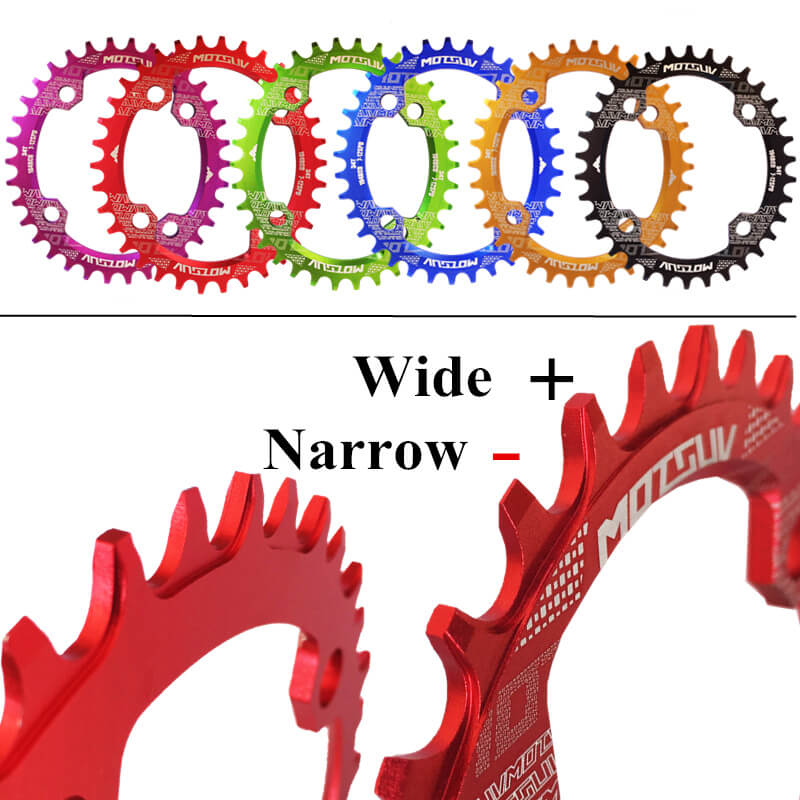
- Narrow-wide tooth profile chainring
- Built-in chain retention guide These structures effectively prevent chain drop even on rough off-road terrain and steep climbing sections, fixing the biggest shortcoming of early single chainring setups.
6. Sufficient gear range coverage (the most critical factor)
In the past, triple chainrings were necessary because rear cassettes had limited gear range and low maximum cog teeth.
Modern wide-range rear cassettes such as 11-50T, 11-52T provide ultra-low gear ratio for steep climbing and enough high gear ratio for fast flat-road riding.
One single chainring plus wide-range cassette can fully cover all gradient demands that used to rely on triple chainrings.
7. Lower manufacturing & maintenance cost
- Frames no longer need reserved front derailleur mounting points, simplifying frame production molds.
- Unified 1x specification simplifies mass production and reduces overall vehicle cost.
- Fewer spare parts are needed, which lowers stocking pressure for bike shops.
- Major groupset brands are fully upgrading towards 1×11-speed / 1×12-speed standards.
Applicable scene classification
Dominant 1x single chainring
Modern mountain bikes, trail bikes, urban commuter bikes, flat-bar road bikes, gravel bikes and touring bikes.
Remaining 2x double chainring
Only used on drop-bar road racing bikes. It can provide finer gear gradation and higher top speed for professional road racing and long-distance road riding.
Obsolete 3x triple chainring
Hardly equipped on new bikes now. Only seen on old entry-level utility bikes and vintage commuter bicycles.
Minor disadvantage of single chainring
Its maximum speed gear ratio is slightly lower than large-sized double chainrings, which is barely noticeable for daily riding, only affects extreme high-speed cycling enthusiasts.
Brief conclusion
Thanks to wide-range cassettes, mature chain retention tech, simplified structure, easy operation, lighter weight and efficient power transmission, single chainring system has completely replaced double and triple chainrings and become the mainstream standard for modern bicycles.
Engaging Introductions: Capturing Your Audience’s Interest
The initial impression your blog post makes is crucial, and that’s where your introduction comes into play. Hook your readers with a captivating opening that sparks curiosity or emotion. Address their pain points or questions to establish a connection. Outline the purpose of your post and give a sneak peek into what they can expect. A well-crafted introduction sets the tone for an immersive reading experience.
Crafting Informative and Cohesive Body Content
Within the body of your blog post lies the heart of your message. Break down your content into coherent sections, each with a clear heading that guides readers through the narrative. Dive deep into each subtopic, providing valuable insights, data, and relatable examples. Maintain a logical flow between paragraphs using transitions, ensuring that each point naturally progresses to the next. By structuring your body content effectively, you keep readers engaged and eager to learn more.
Powerful Closures: Leaving a Lasting Impression
Concluding your blog post isn’t just about wrapping things up – it’s your final opportunity to leave a strong impact. Summarize the key takeaways from your post, reinforcing your main points. If relevant, provide actionable solutions or thought-provoking questions to keep readers thinking beyond the post. Encourage engagement by inviting comments, questions, or sharing. A well-crafted conclusion should linger in your readers’ minds, inspiring them to explore further or apply what they’ve learned.