
Introduction
Disc brakes have replaced traditional rim brakes and become the standard configuration for modern mountain bikes, road bikes, urban commuter bikes and electric bikes. For bike shop owners, bulk importers and professional bike mechanics, mastering disc brake classification, mounting standards, rotor size matching and daily fault maintenance can greatly reduce after-sales return rate, improve assembly efficiency and lower replacement cost.
This full technical guide covers mechanical & hydraulic disc brake core principles, global universal size specs, pad material comparison, common failure troubleshooting, and wholesale selection tips. All parameters match Shimano, SRAM mainstream system compatibility, suitable for global aftermarket bulk procurement.
1. Two Main Disc Brake Working Systems (Technical Difference)
1.1 Mechanical Cable Disc Brake
Working principle: Brake force transmitted by steel brake cable, push caliper piston to clamp brake rotor.
Technical Advantages: Low failure rate, easy manual adjustment, low maintenance cost, no oil bleeding required, suitable for entry-level MTB, city bikes and budget electric bikes.
Defect: Cable stretching causes braking attenuation; weaker stopping power in muddy & rainy terrain.
1.2 Hydraulic Disc Brake
Working principle: Mineral oil / DOT hydraulic oil pressure transmission, dual-piston synchronous braking.
Technical Advantages: Linear braking feedback, strong braking force, anti-corrosion stable performance, adapt to downhill, off-road and long-distance riding. Compatible high-end MTB and racing road bikes.
Defect: Need professional oil bleeding maintenance; higher accessory replacement cost.
2. Global Universal Disc Brake Rotor Size & Mounting Standard
Rotor size directly determines braking torque, cannot be matched arbitrarily according to frame fork mounting base.
2.1 Standard Rotor Size Classification
- 140mm: Road bike, lightweight city flat bike, female small-frame bike
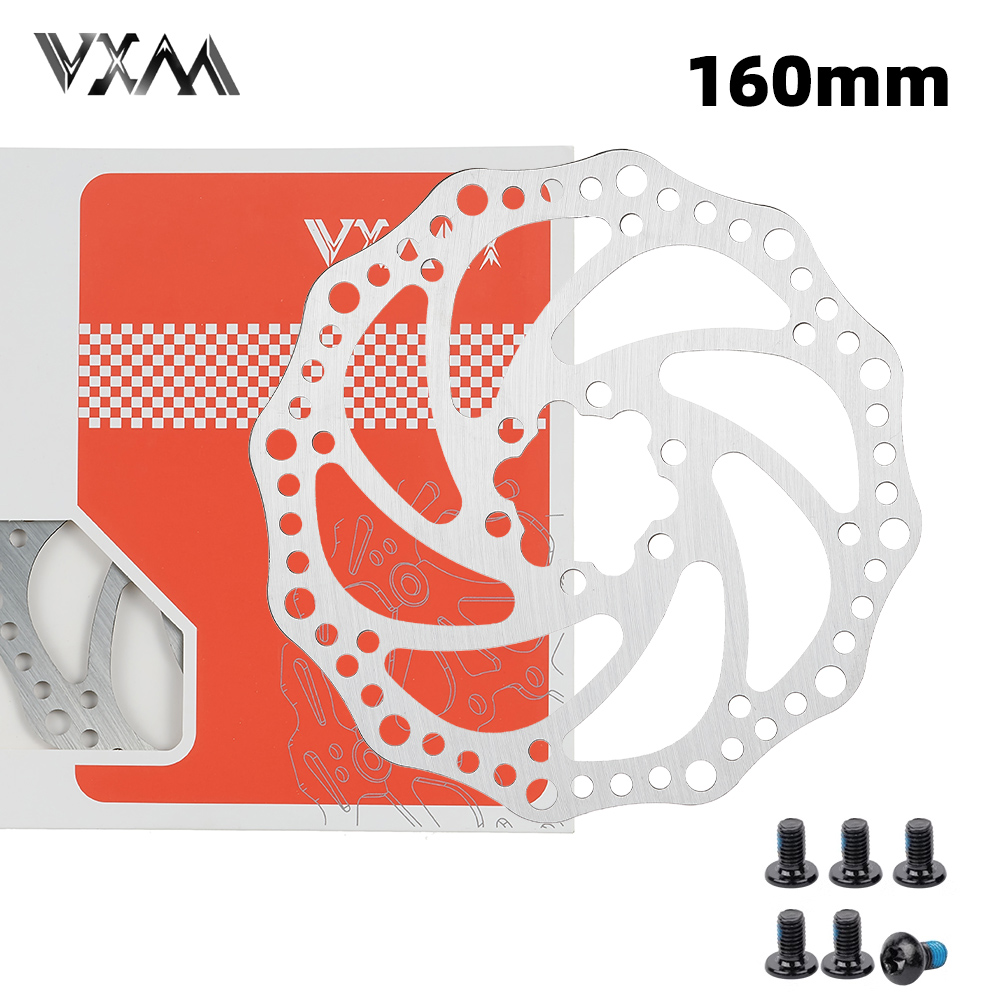
- 160mm: Universal standard, most commuter MTB & electric bikes (best-selling wholesale size)
- 180mm: Off-road MTB, heavy-load e-bike, climbing terrain use
- 203mm: Downhill DH bike, high-power electric bike, extreme heavy braking demand
2.2 Two Rotor Mounting Structures
- 6-bolt Mount: Universal aftermarket type, low cost, easy replacement, most stocked wholesale model
- Center Lock Mount: Shimano exclusive spline lockring design, fast installation, high concentricity, less brake shaking
2.3 Caliper Frame Mount Standard
- IS Mount: Old-style frame fixed base
- Post Mount: New universal standard, adjustable adapter for different rotor sizes
3. Brake Pad Material Technical Comparison (Core Aftermarket Accessory)
Brake pad material decides braking noise, wear resistance and rotor service life, the most consumed spare part for bike shops.
| Pad Type | Feature | Applicable Scene | Wholesale Suggestion |
|---|---|---|---|
| Organic/Resin Pad | Quiet braking, no rotor scratch, low noise | Urban daily riding, dry road | High daily sales volume |
| Semi-metallic Pad | Balanced wear resistance & braking power | General MTB all-terrain | Priority bulk stock |
| Full-metallic Sintered Pad | High temperature resistance, long service life | Off-road, rainy muddy mountain trail | Professional bike shop stock |
4. 6 Common Disc Brake Faults & Professional Solutions
These problems account for 90% of after-sales complaints, mechanics can fix quickly with standard operation:
Fault 1: Rotor rubbing & continuous noise
Reason: Caliper offset, wheel hub deformation, rotor slight bending
Solution: Recent caliper centering adjustment; use rotor straightening tool to correct deformation
Fault 2: Braking force weakens gradually
Reason: Pad wear reaching limit, hydraulic oil aging, cable loose stretch
Solution: Replace brake pad directly; change hydraulic oil every 12 months
Fault 3: Hydraulic brake lever spongy feel
Reason: Air mixed inside oil pipeline
Solution: Standard full oil bleeding operation
Fault 4: Brake fading on long downhill
Reason: Pad high-temperature thermal decay
Solution: Upgrade to sintered metallic brake pads
Fault 5: Rusty rotor causing harsh squeaking
Solution: Clean rotor surface with alcohol, polish pad surface slightly
Fault 6: Unable to reset brake piston
Reason: Internal oil dirt & piston aging jamming
Solution: Clean caliper interior or replace complete caliper assembly
5. Factory Production Technical Standard (Our Disc Brake Parts)
As a professional bicycle parts manufacturer, we support full disc brake aftermarket accessories wholesale, with unified factory technical standards:
- Rotor material: High-strength stainless steel, heat treatment anti-deformation, anti-rust surface oxidation treatment
- Caliper body: 6061/7075 CNC aluminum alloy, high pressure resistant, not easy to break
- Compatibility: Full fit for Shimano, SRAM, Tektro original brake systems
- Custom service: Custom laser logo, color anodizing, customized packaging for brand distributors
- MOQ: Low minimum order, mixed size order acceptable for bike shop retailers
6. Buyer FAQ (Wholesale & Matching Questions)
Q1: Can 160mm rotor replace original 180mm rotor directly?
A: Not directly. It needs matched post mount adapter, otherwise caliper mounting position mismatches.
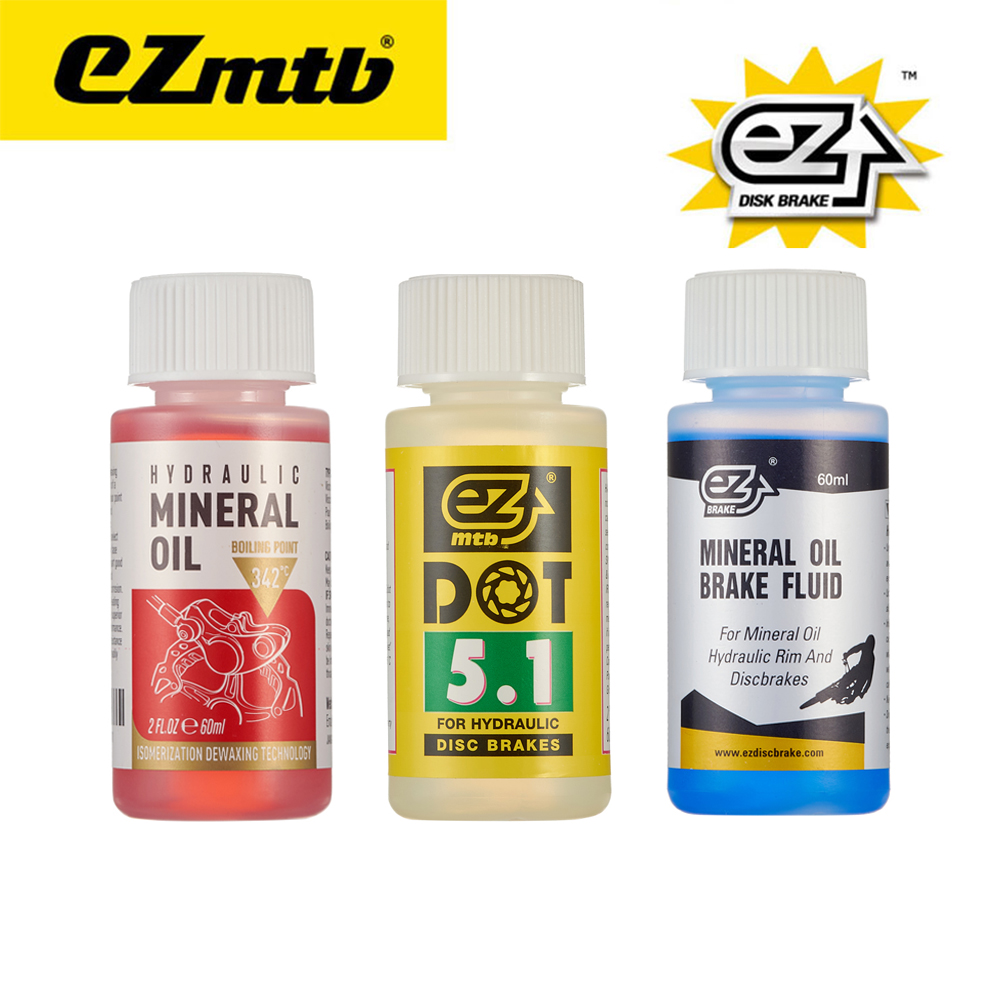
Q2: Are hydraulic brake mineral oil and DOT oil universal?
A: Non-universal. Mixed oil will corrode internal seal ring and damage caliper permanently.
Q3: How often to replace bicycle disc brake pads?
A: Urban riding: 6-8 months; off-road riding: 3-4 months; replace once pad thickness less than 1.5mm.
Final Guide & Wholesale Inquiry
Standardized disc brake matching, regular maintenance and qualified spare parts can extend brake service life and ensure riding safety. We supply full-series disc brake accessories: brake caliper, brake rotor, brake pad, brake cable, hydraulic oil, adapter and bolt accessories.
Global bike shop distributors welcome to contact us for full size spec sheet, wholesale price list and sample testing. Stable stock, fast sea & air shipment, exclusive discount for long-term old customers.