
The core of a bicycle suspension system is a combination of spring and damper. The spring absorbs impacts, while the damper controls rebound. It reduces vibration, improves tire grip, stabilizes handling and eases rider fatigue. Suspensions are mainly equipped on mountain bikes, as well as commuter bikes and e-bikes.
1. Components & Working Principle
- Spring (Elastic Element): Absorbs impacts and stores energy.
- Coil spring: Low cost, durable but heavy.
- Air spring: Lightweight, adjustable, used on mid-to-high end products.
- Damper (Hydraulic / Oil-Air): Regulates the compression and rebound speed of the spring, converting kinetic energy into heat to avoid continuous bouncing. It determines overall suspension performance.
- Travel: The maximum compressible distance of suspension (unit: mm).
- Urban / Hardtail bike: 80–100 mm
- Trail / Full suspension bike: 120–140 mm
- Downhill bike: 170–200 mm and above
2. Suspension Types by Configuration
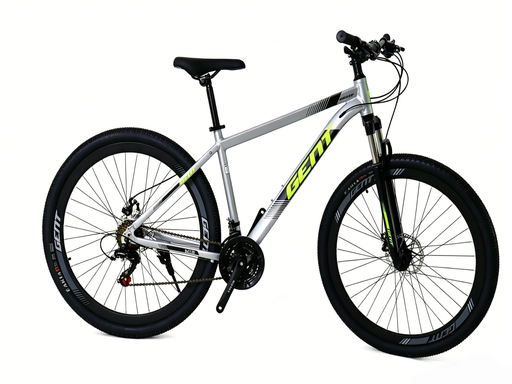
Hardtail: Only front suspension fork, no rear shock. Light weight, high pedaling efficiency and easy maintenance. Ideal for urban riding and light off-roading.
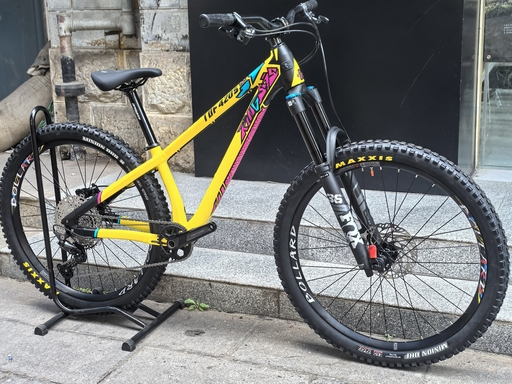
Full Suspension: Equipped with both front fork and rear shock, plus linkage frame structure. Excellent vibration damping and stability on rough terrain. Downsides: extra weight, minor power loss during pedaling and higher maintenance cost. Suitable for trail and extreme off-road riding.
Light-duty Vibration Reduction:
Suspension seat post / padded saddle: Filters minor bumps, great for long-distance commuting.
Vibration-absorbing frame: Carbon fiber or high-grade aluminum frame, no power loss.
3. Types of Front Forks
Coil Spring Fork (Entry-level): Simple structure without damper. Low price, prone to bottoming out and unstable rebound.
Coil-Sprung Hydraulic Fork (Mid-range): Steel coil spring with hydraulic damper. Durable and sensitive to small vibrations, moderate weight.
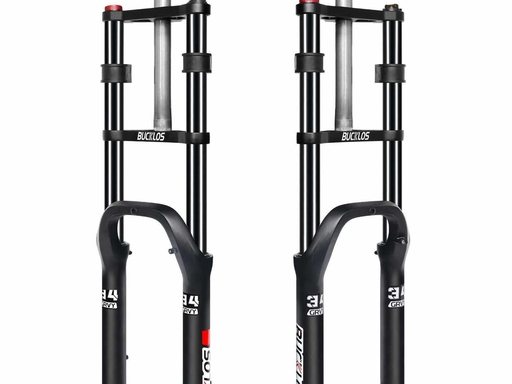
Air-Oil Fork (High-end): Air spring plus hydraulic damper. Lightweight, adjustable air pressure, supports fine tuning of compression and rebound.
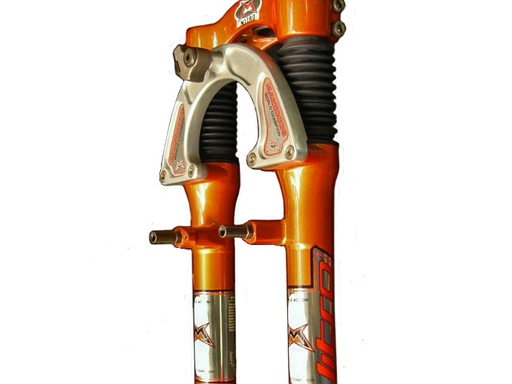
Elastomer Fork (Entry-level): Uses elastic rubber blocks. Simple structure but easy to aging.
4. Rear Shock & Linkage Designs
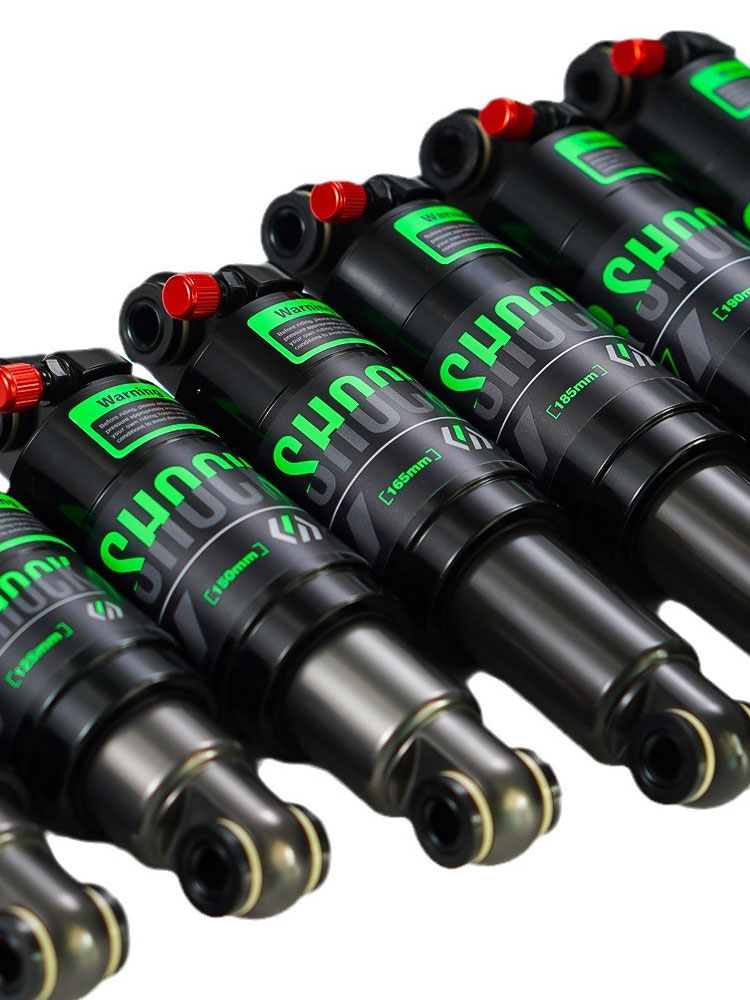
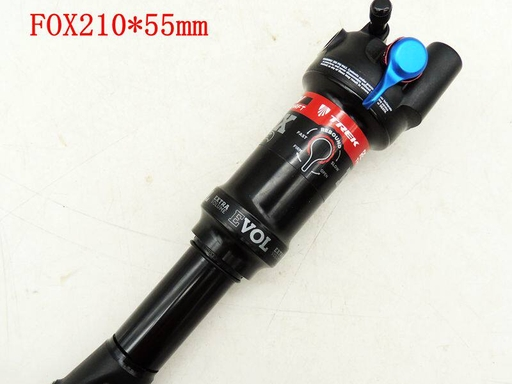
Rear Shock: Shares the same working principle as front forks. Coil spring versions for long-travel/downhill bikes; air versions are lighter and adjustable for trail bikes.
Linkage Structures (Core of Full Suspension Frames):
Four-bar linkage: Classic design balancing pedaling efficiency and suspension performance, widely used.
Single pivot / Virtual pivot: Simple and lightweight, common on entry-level and trail bikes.
High pivot / Lower link: Anti-sag design for downhill and aggressive riding.
5. Basic Adjustments
- Preload: Adjust initial spring tension to match rider weight and riding style.
- Compression Damping: Controls compression speed. Low-speed for pedaling and small bumps; high-speed for big impacts and landings.
- Rebound Damping: Controls spring return speed. Too fast causes bouncing; too slow leads to sluggish handling.
- Lockout: Locks the front fork or rear shock into a rigid state. Used on flat roads or climbs to eliminate power loss.
6. Selection Guide by Usage Scenario
- Urban Commuting & Casual Riding: Hardtail bike with 100–120 mm coil-sprung hydraulic fork, or rigid carbon fork + suspension seat post. Light and efficient.
- Trail & Light Off-roading: Full suspension bike with 120–140 mm travel and air suspension front & rear. Balances comfort and efficiency.
- Downhill & Extreme Off-roading: Full suspension bike with 170 mm+ travel, coil spring rear shock and reinforced linkage. Prioritizes structural strength and stability.
7. Mainstream Brands
- Front Fork: RockShox, FOX, Suntour, Manitou
- Rear Shock: RockShox, FOX, Cane Creek, X-Fusion