

The internal rim width is a key parameter. It directly impacts tire shape, contact patch, rolling resistance, grip, stability, tire pressure and durability. It also relates to rim tape selection such as VXM tape. Below is a detailed explanation with application advice for different riding scenarios.
Basic Definitions
We mainly refer to internal rim width (the groove width for installing tires and rim tape), which is the standard for choosing VXM tape and matching tires. The external rim width only affects appearance and aerodynamics, and has no impact on riding feel or tire fitting.
Rim width classification:
- Narrow rim: Below 22 mm (vintage road bikes, old mountain bikes with narrow tires)
- Standard rim: 22–28 mm (mainstream road bikes, regular XC / trail mountain bikes)
- Wide rim: 28–32 mm (gravel bikes, modern mountain bikes, plus-size bikes)
- Extra-wide rim: Over 32 mm (fat tire bikes for off-road leisure riding)
Main Impacts on Riding
1. Tire Shape & Contact Patch
Narrow Rim
The tire sides are squeezed inward, forming a pointed profile with a smaller contact patch.
- Advantages: Responsive steering and precise handling; stable tire shape at high cruising speed.
- Disadvantages: Weak lateral support, prone to slipping during cornering; excessive tire sidewall deformation on rough terrain.
Wide Rim
The tire shoulders expand naturally, creating a flatter tread and larger contact area with stronger sidewall support.
- Advantages: Greatly improved grip on dry, wet and gravel surfaces; the tire is less likely to deform under load.
- Disadvantages: Slightly slower steering response and reduced agility.
2. Tire Pressure & Shock Absorption
For the same tire, a wider rim allows lower tire pressure without the risk of tire bead disengagement or blowouts.
- Narrow rim: Requires relatively high tire pressure. Low pressure will cause severe sidewall compression, increasing the risk of pinch flats. The ride feels stiff with poor shock absorption, leading to more vibration on bumpy roads.
- Wide rim: Compatible with low tire pressure. It effectively absorbs road vibrations for a smoother and more comfortable ride. This is a major advantage for mountain biking and off-road cycling, and helps reduce fatigue on long rides.
Note: The combination of wide rims and low pressure is widely adopted for modern tubeless setups.
3. Rolling Resistance
- On paved roads with high tire pressure: Narrow rims paired with narrow tires deliver slightly lower rolling resistance, ideal for pure road racing and fast cruising.
- On rough, gravel or rolling terrain with low pressure: Wide rims perform better. The flatter tire tread ensures even ground contact and avoids excessive local deformation, which reduces rolling resistance for a smoother ride.
4. Cornering Stability & Handling
- Narrow rim: Agile and quick steering, suitable for high-speed cornering on paved roads. However, it has a lower lateral limit and is easy to slip during aggressive riding.
- Wide rim: Provides solid lateral support. The wheel stays stable during high-speed cornering, downhill off-roading and crosswind conditions. It is perfect for trail, enduro and long-distance gravel riding, and offers higher fault tolerance for beginners.
5. Impact Resistance & Durability
- Wide rim: The tire bead fits tightly against the rim. The tire is less likely to pop off under heavy impacts or aggressive pedaling. Force distributes evenly on the sidewall, lowering the chance of cord damage and bulging, and extending tire service life.
- Narrow rim: Steeper tire bead angle. Low pressure or strong impacts significantly increase the risk of bead disengagement and pinch flats.
6. Weight & Aerodynamics
- With the same material and construction: Wider rims use more material and weigh slightly more. Narrow rims are lighter and preferred by riders pursuing extreme weight reduction.
- Aerodynamics: Deep-section narrow rims work better for aerodynamic performance on road bikes. Wide rims combined with wide tires create slightly higher frontal wind resistance, so they are not recommended for professional road racing.
7. Compatibility with Rim Tape (VXM)
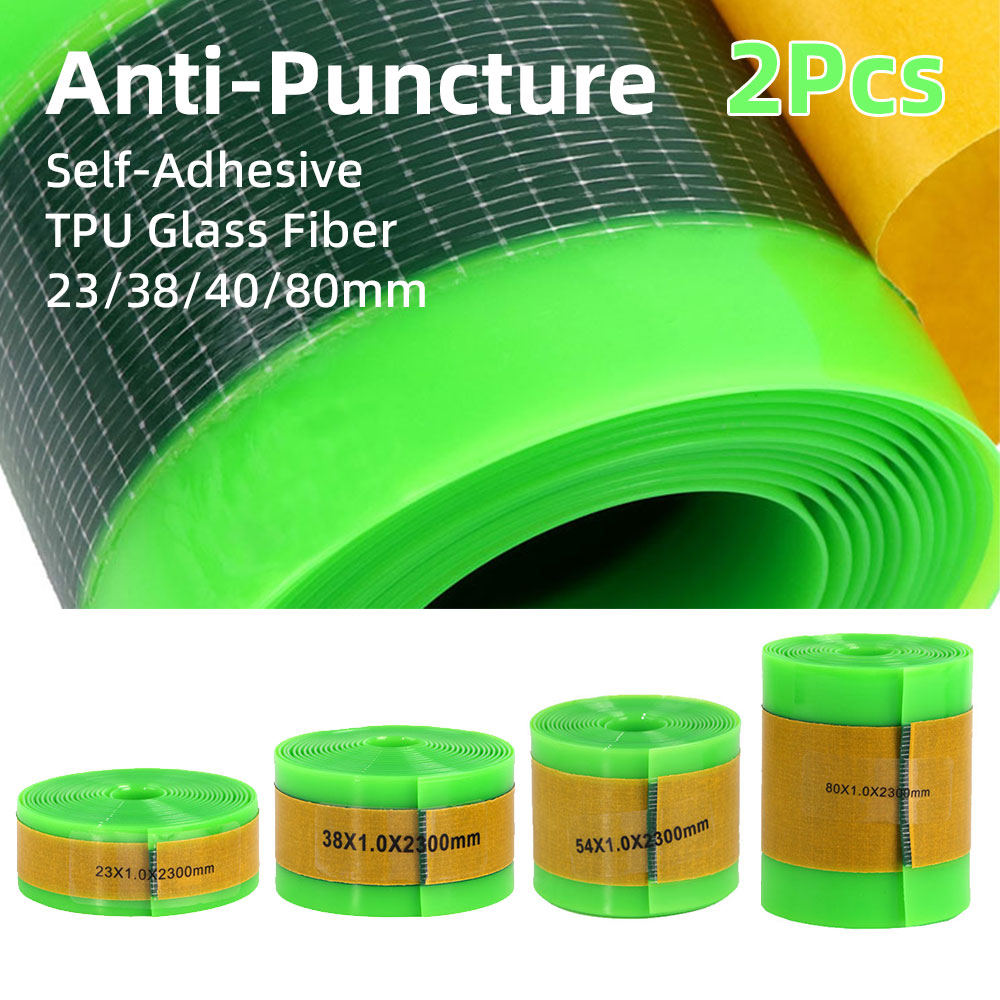
- Rim width determines tape size: A wider internal rim requires wider VXM tubeless rim tape. Otherwise, the groove cannot be fully covered, resulting in air leaks.
- Installation: Wide rims have more spacious grooves, making tape application and tire installation / removal easier. Narrow rims have limited space, and the tape is more likely to wrinkle or trap air bubbles during fitting.
- Air tightness: Properly matched wide rims and rim tape deliver more reliable sealing performance.
Recommendations by Bike Type & Riding Style
Road Bikes (700C)
- Racing & pure road cruising: Choose narrow rims (17–21 mm) with 23C / 25C narrow tires. Run high pressure for low rolling resistance and maximum speed.
- All-road / gravel / long-distance leisure riding: Choose standard wide rims (22–25 mm) with 28C–35C tires for balanced comfort, stability and off-road capability.
Mountain Bikes
- XC racing: Standard rims (24–27 mm), balancing weight, agility and light off-road performance.
- Trail riding: Mid-wide rims (27–29 mm), a well-rounded choice for most amateur riders with balanced handling, grip and shock absorption.
- AM / Enduro / aggressive off-roading: Wide rims above 30 mm, designed for low pressure, strong support and harsh terrain.
- Plus-size bikes: Extra-wide rims over 32 mm, matched with large tires for superior comfort and off-road grip.
City Commuter Bikes
Standard narrow or medium-width rims with regular tires are recommended. Maintain moderate pressure to balance riding efficiency, durability and frequent start-stop use.
Common Misconceptions
- Wider is not always better Extra-wide rims add weight and wind resistance for pure road racing. Fitting overly wide tires on narrow rims causes abnormal tire shape, poor grip and frequent bead disengagement. Rim width must always match tire width.
- Adjust tire pressure after changing rims Lower tire pressure when switching from narrow to wide rims, and increase pressure when using narrower rims.
- Replace rim tape accordingly If you upgrade to rims with different internal width, always use matching VXM rim tape. Mismatched tape is a major cause of slow air leakage for tubeless systems.
xxidumhiqrflnegdfxhzxkeyjmnisj