
1. Frame System (Main structure of the bicycle)
Parts: Frame, front fork, headset, seat post, derailleur hanger, bottom bracket
Function: Supports all components and determines the structure and overall strength of the bike.
- Frame
The main body of the bike, connecting all components together. - Front fork
Installed at the front frame, holds the front wheel and works with the headset for steering. - Headset
A set of bearings inside the head tube, enabling flexible turning of the front fork and handlebars. - Seat post
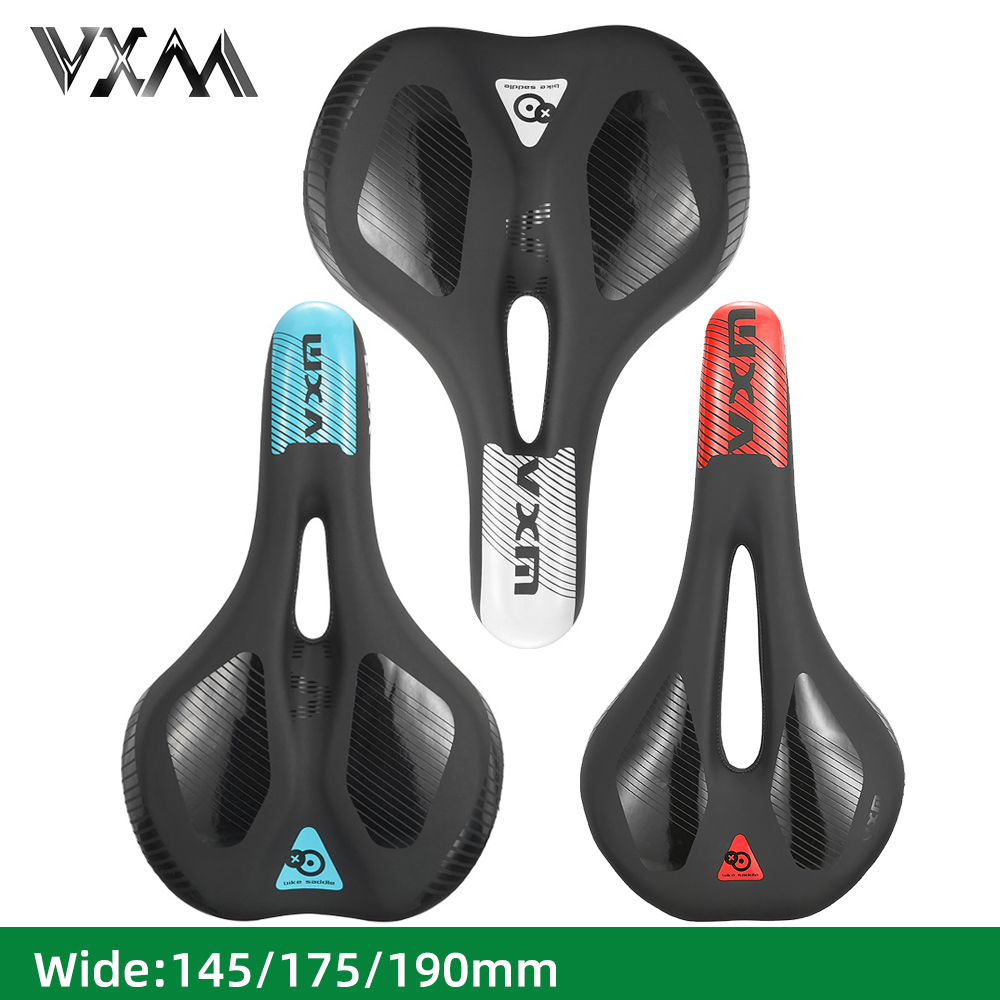
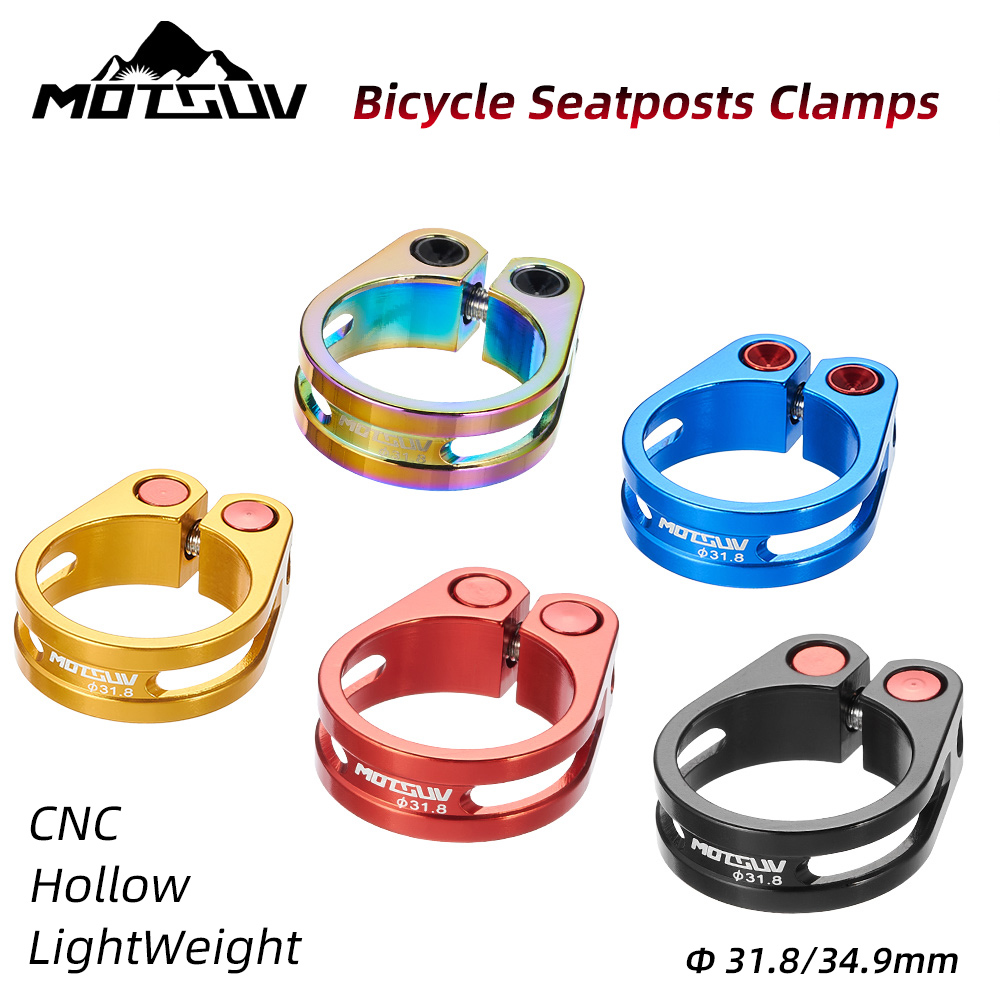
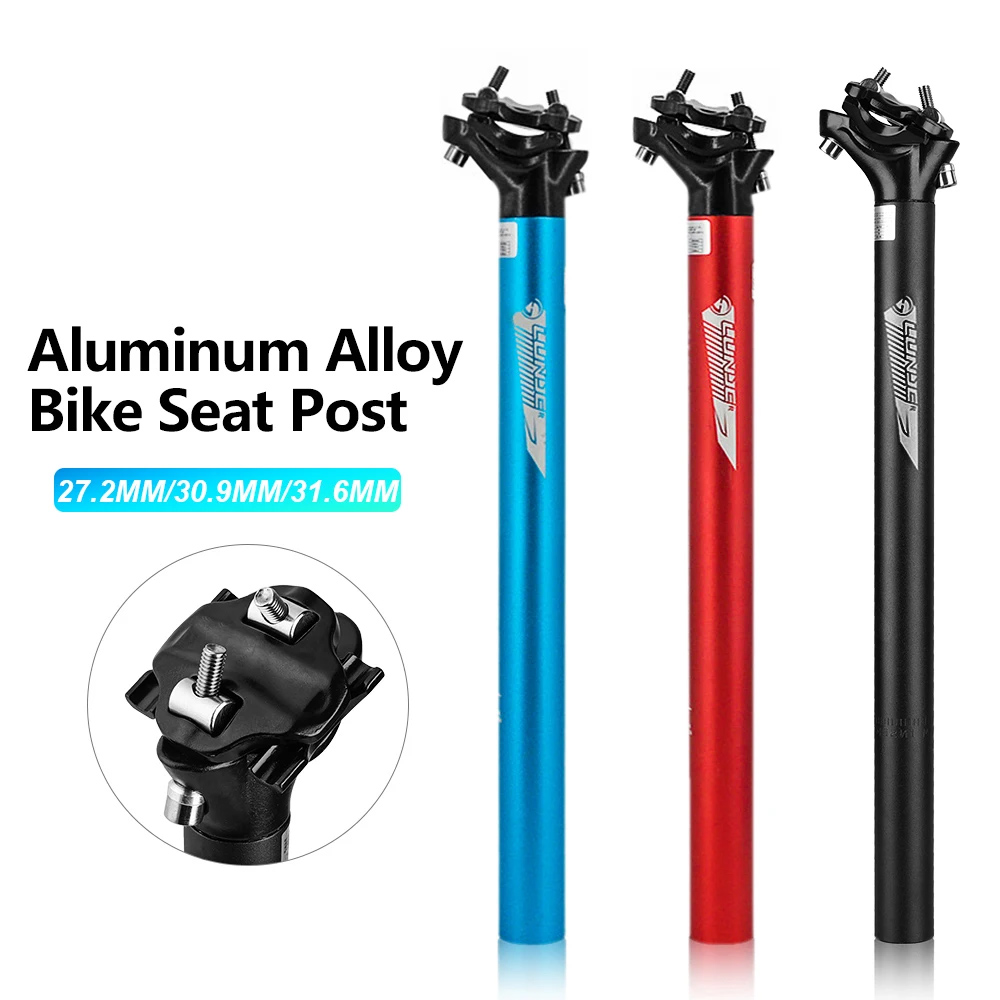
A tube inserted into the frame to mount and adjust the height of the saddle. - Derailleur hanger
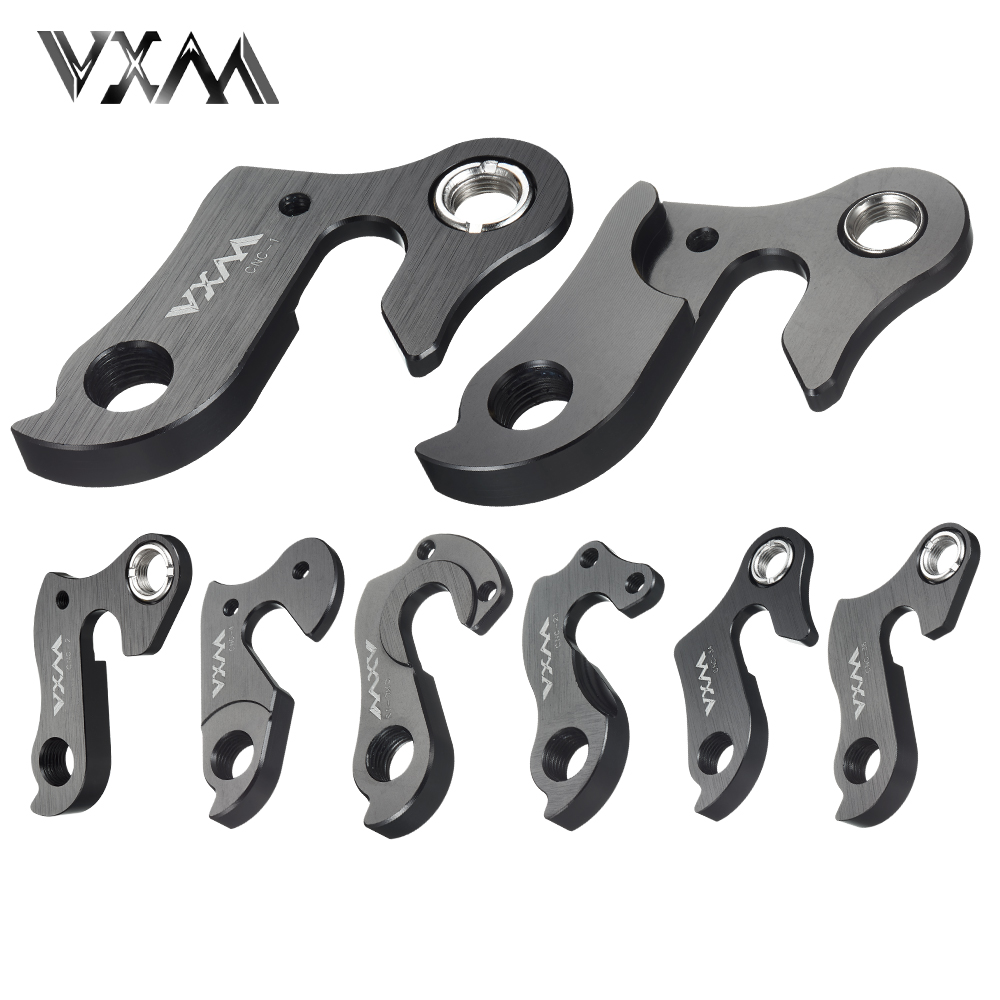
An extension on the rear frame for mounting the rear derailleur; it is a fragile replaceable part. - Bottom bracket
The bearing unit at the frame bottom, connecting the crankset and allowing the pedals to rotate smoothly.
2. Steering & Control System
Parts: Handlebar, stem, grip, brake lever, shift lever, bell
Function: Controls riding direction, braking and gear shifting.
- Handlebar: The main part for riders to hold and steer the bike.
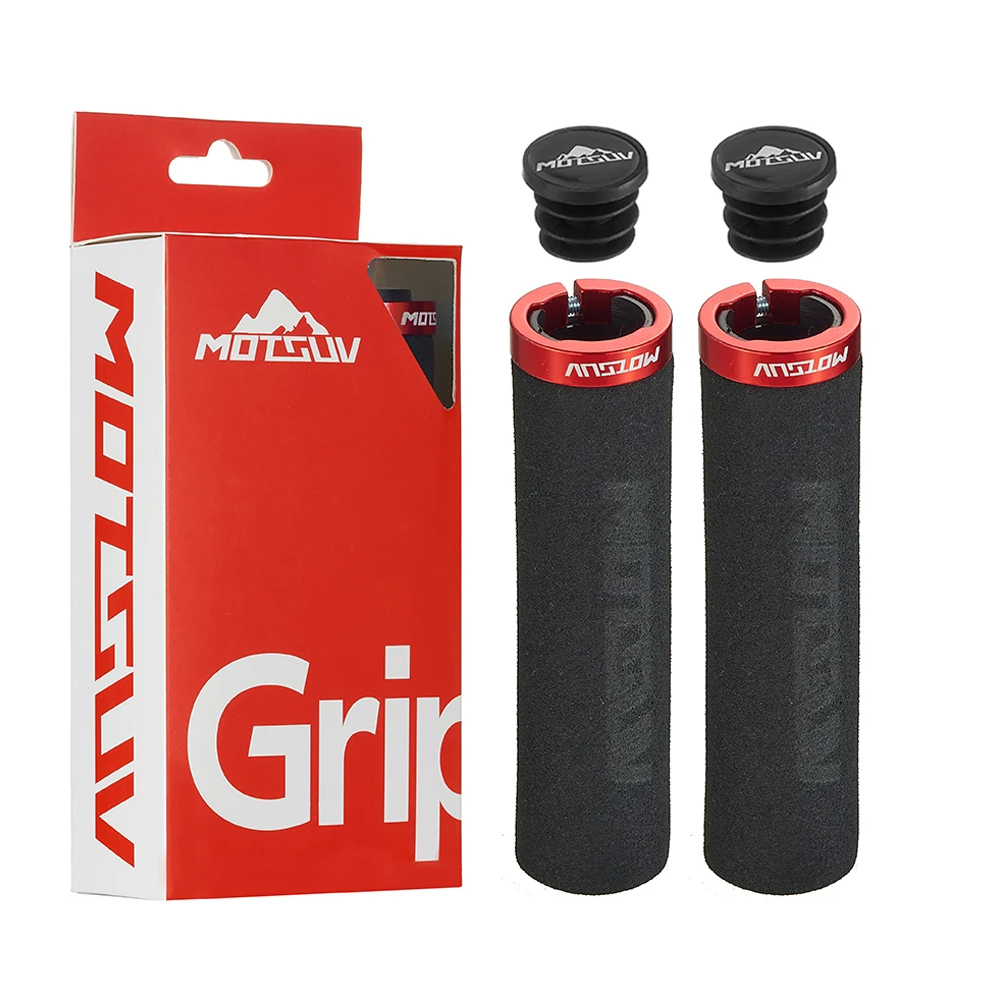
- Grip: Mounted on both ends of the handlebar for anti-slip and comfortable holding.
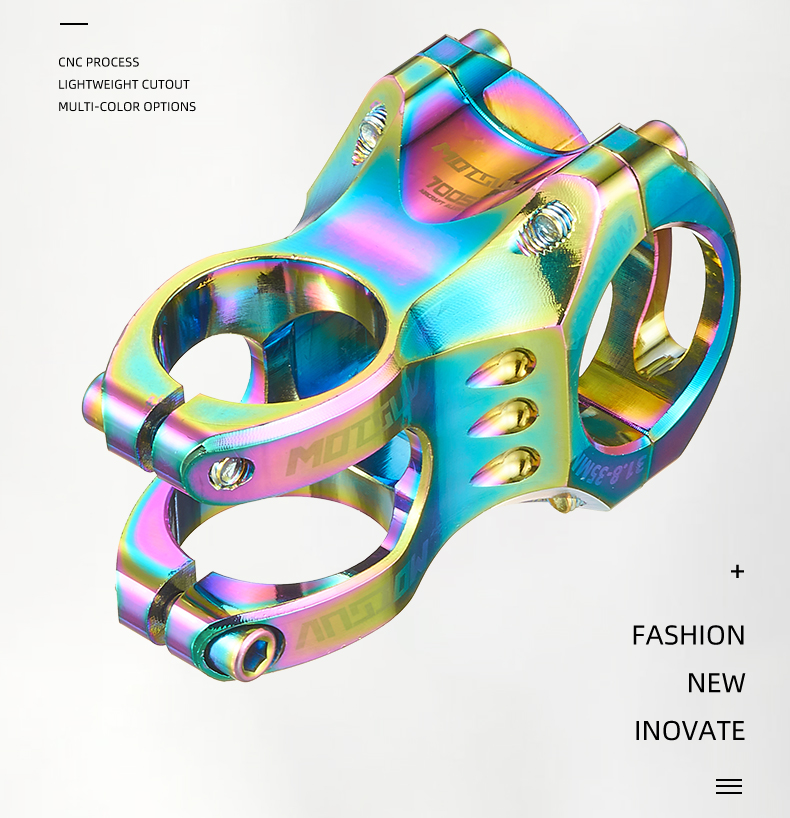
- Stem: Connects the head tube and handlebar to fix their positions.
- Brake lever: Operates the brake to slow down or stop the bicycle.
- Shift lever: Adjusts gears to change the transmission ratio.
- Bell: Used to warn pedestrians and other riders while cycling.
3. Wheel System
Parts: Rim, inner tube, tire, spoke, front hub & rear hub
Function: Bears the weight of the bike, enables rolling movement and absorbs road vibrations.
- Rim: The circular frame that holds the tire.
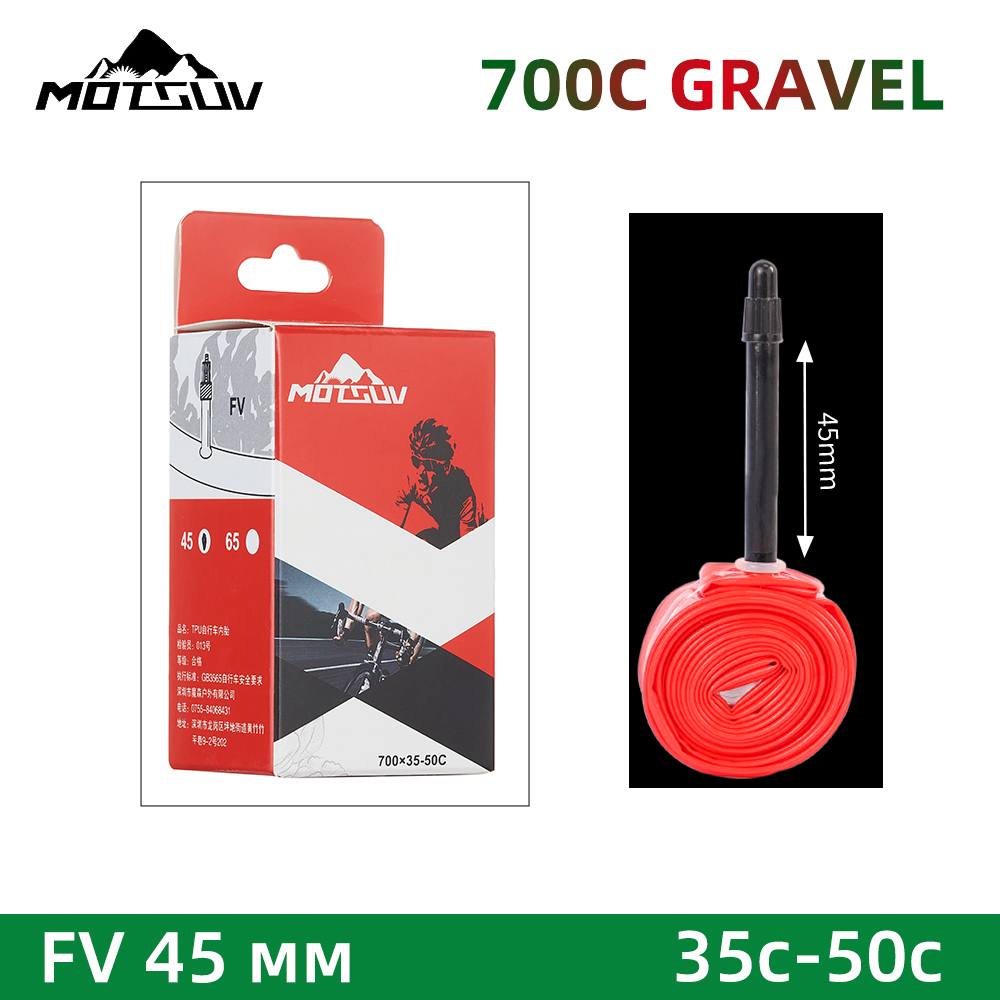
- Inner tube: An inflatable tube that maintains tire pressure.
- Tire: The outer rubber part contacting the ground, featuring wear resistance and good grip.
- Spoke: Connects the hub and rim to bear and distribute pressure.
- Front hub & rear hub: The core rotating components of the wheel set.
4. Drivetrain System
Parts: Pedal, crank, chainring, bottom bracket, chain, cassette, front derailleur, rear derailleur
Function: Transmits pedaling power to the rear wheel to propel the bicycle and realize gear adjustment.
- Pedal: Where riders place feet to apply force.
- Crank: Connects pedals and chainring to transmit power.
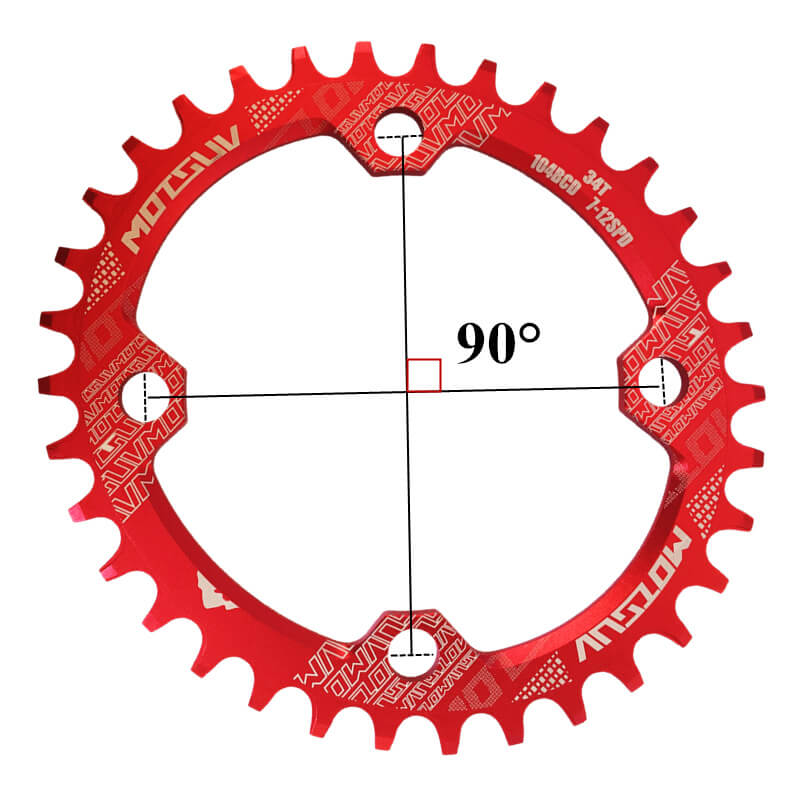
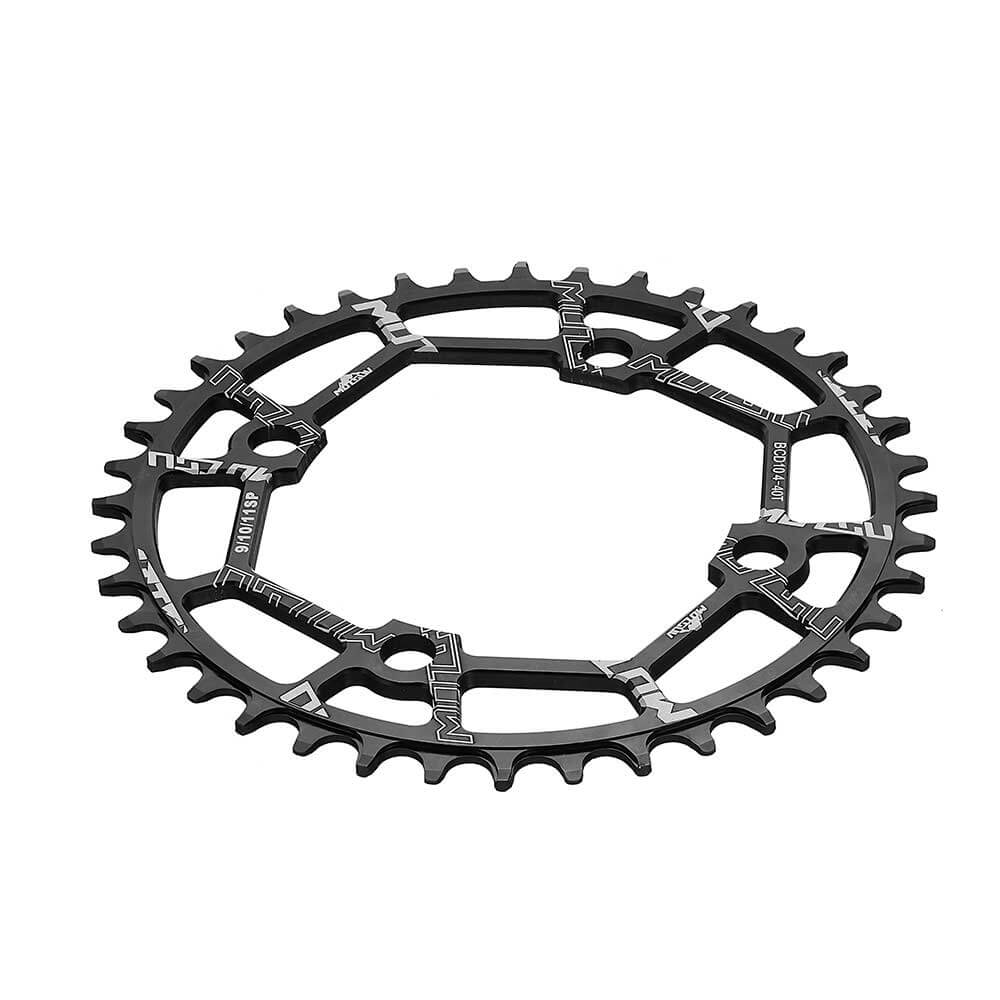
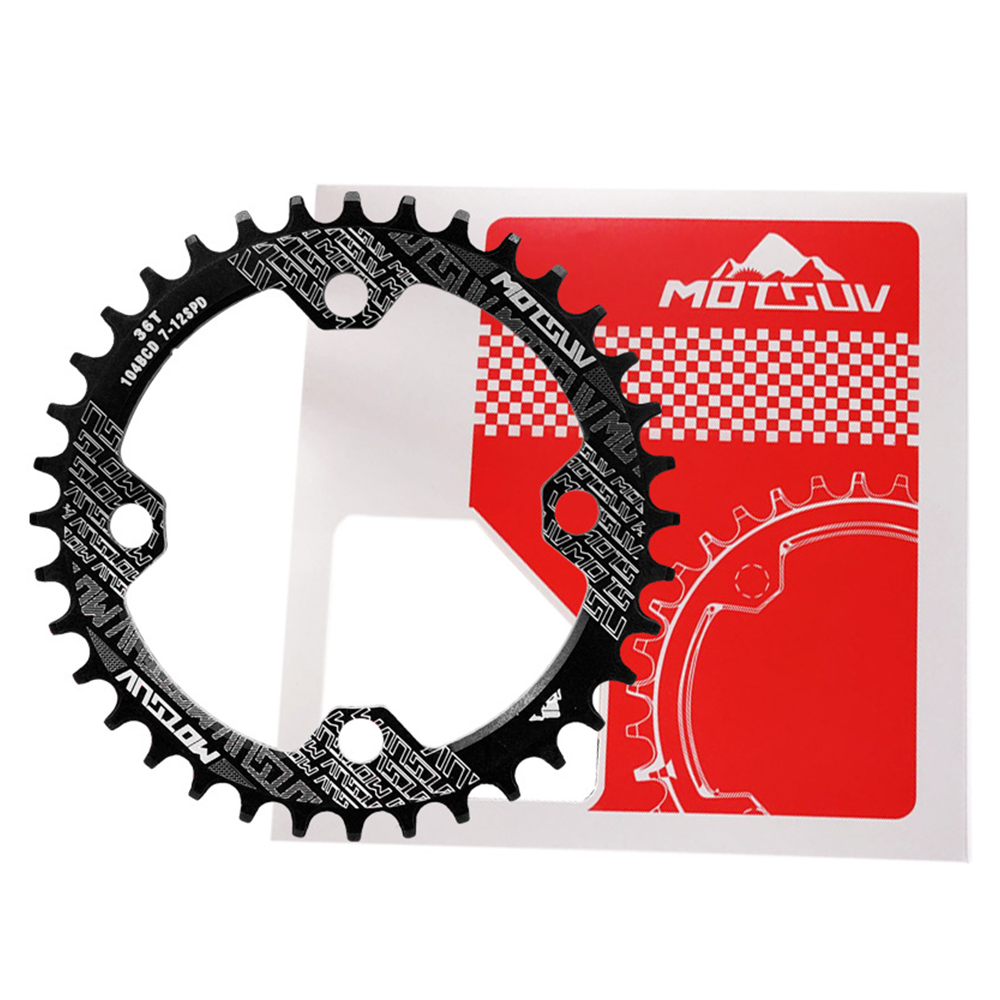
- Chainring: Front gear disc that works with the chain.
- Bottom bracket: Bearing assembly for the crank to rotate smoothly.
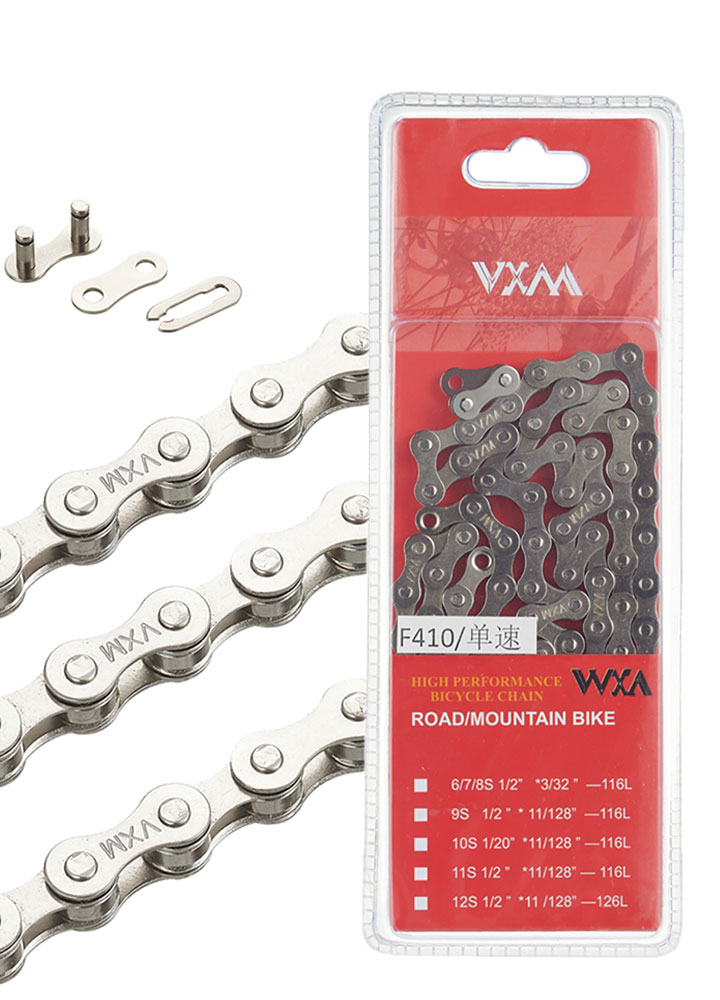
- Chain: Transmits power from chainring to cassette.
- Cassette: Rear gear set for gear shifting.
- Front derailleur: Shifts the chain between different chainrings.
- Rear derailleur: Adjusts the chain position on the cassette.
5. Brake System
- Rim Brake: Brake caliper, brake cable, brake pad
- Disc Brake: Brake caliper, brake rotor, brake pad, hydraulic hose / brake cable
Function: Slows down or stops the bicycle to ensure riding safety.
- Brake caliper: Clamps the brake pad to create friction for braking.
- Brake cable: Transmits force from the brake lever to the caliper.
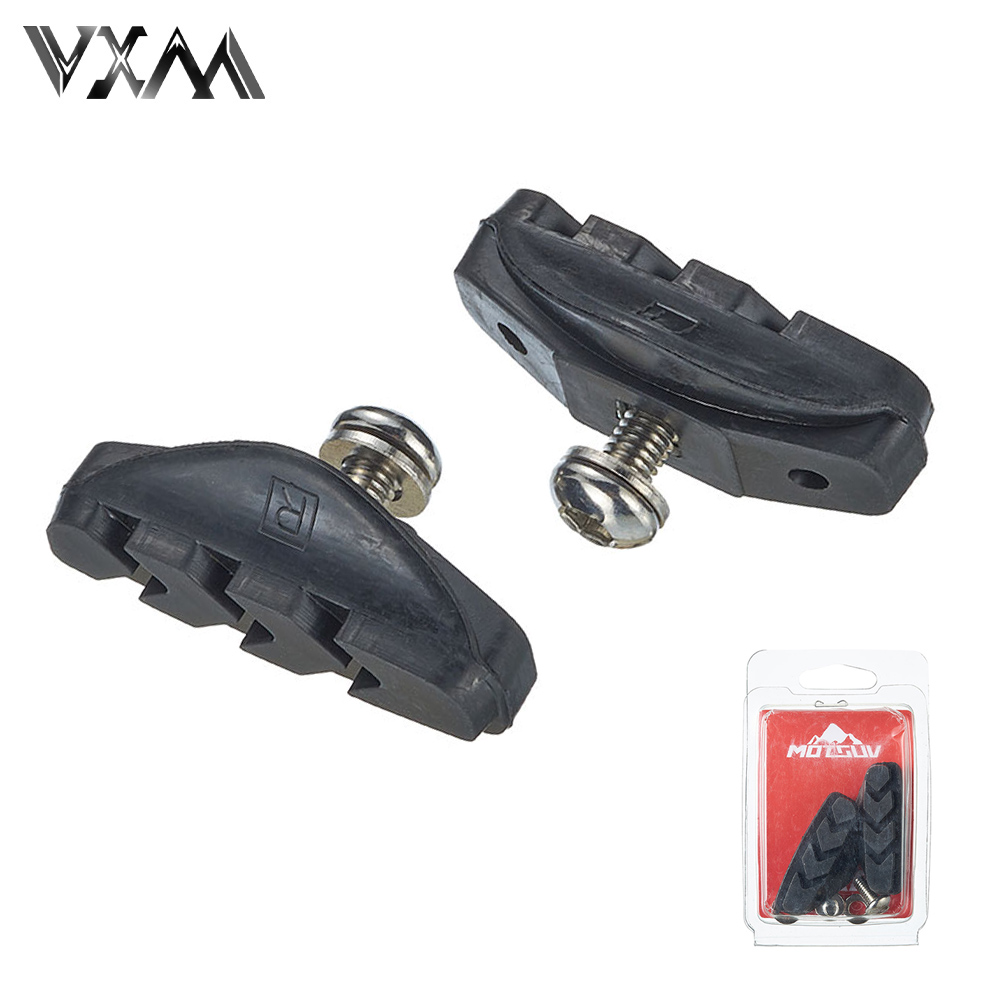
- Brake pad: Creates friction to decelerate the bike.
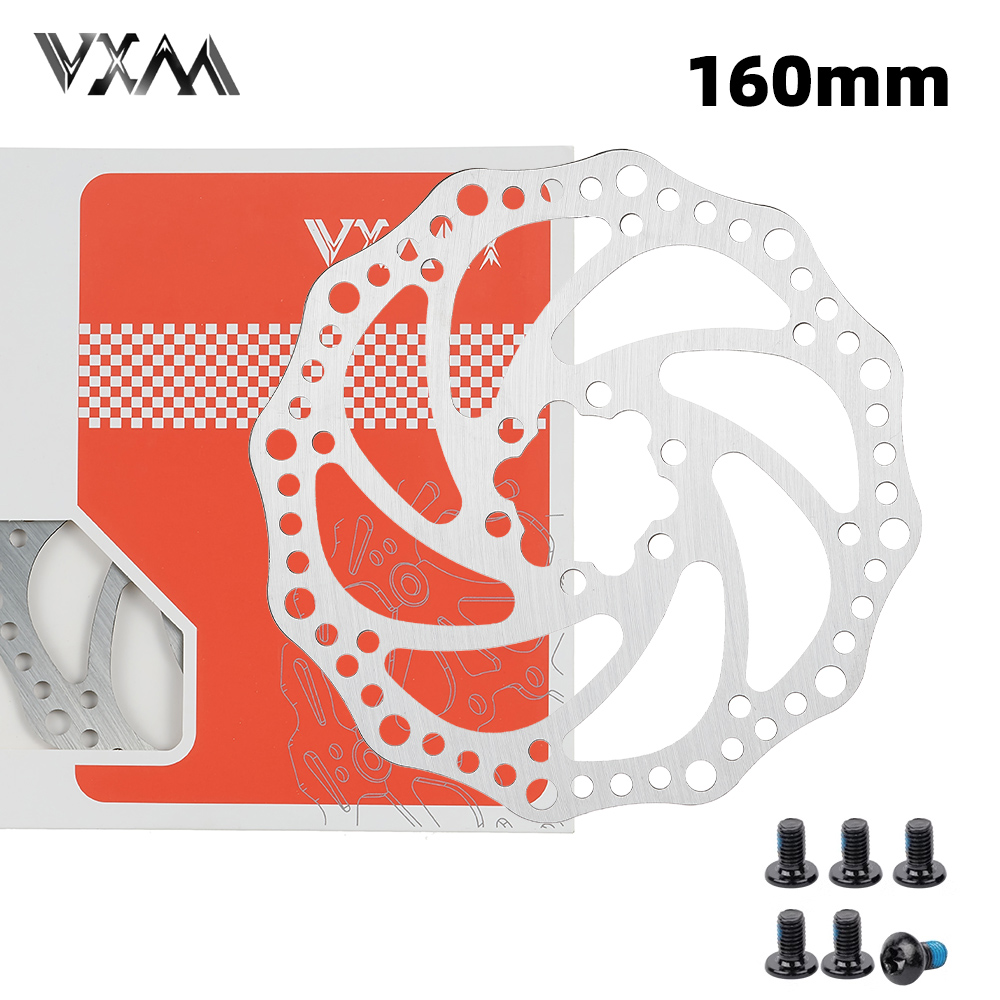
- Brake rotor: The metal disc matched with disc brakes.
- Hydraulic hose: Delivers hydraulic pressure for hydraulic disc brakes.
6. Saddle & Accessory System
Parts: Saddle, quick release, fender, rear rack, kickstand, etc.
Function: Enhances riding comfort and practicality.
- derailleur hanger: Also known as gear hanger, a vulnerable spare part.
- headset: The bearing assembly for steering at the head tube.
- cassette: Gear cluster mounted on the rear wheel.
- brake rotor: Brake disc.
- brake pad: Brake shoe. Used for disc brakes and rim brakes respectively.
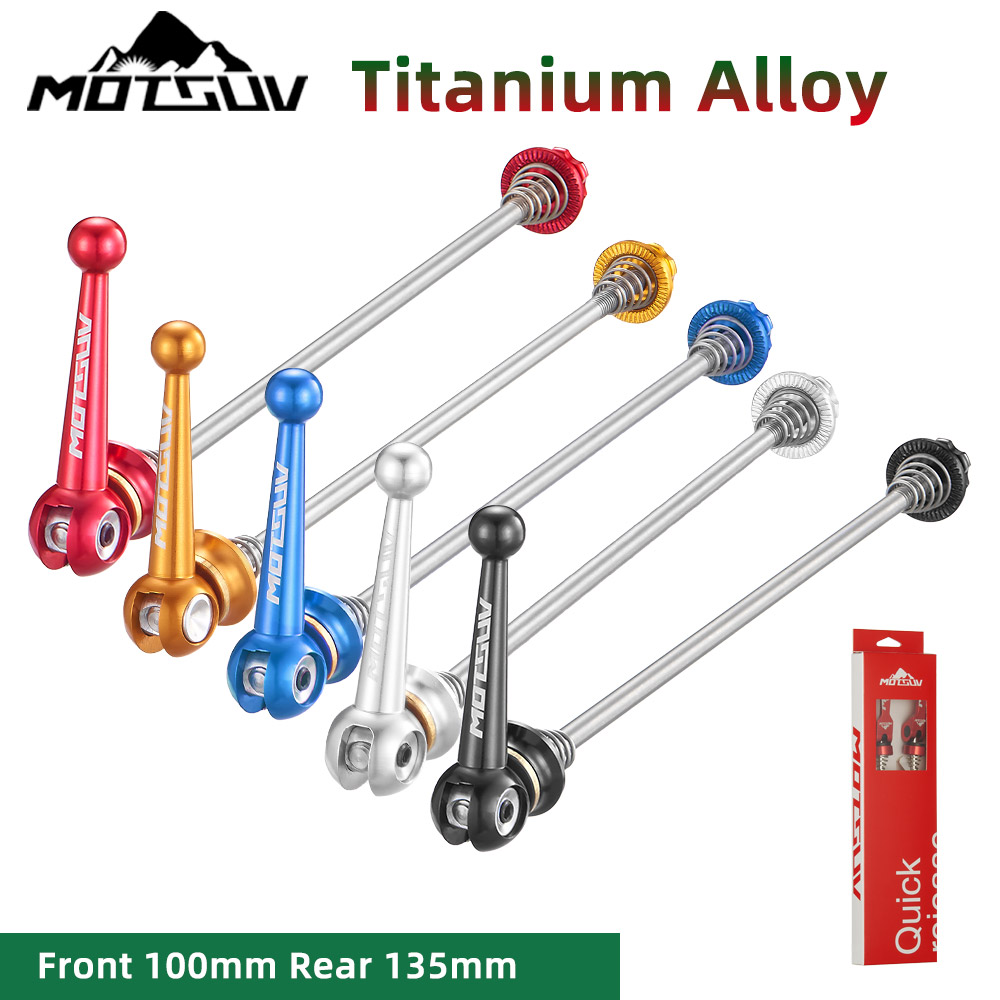
- quick release: A mechanism for fast installation and removal of wheels and seat posts.